
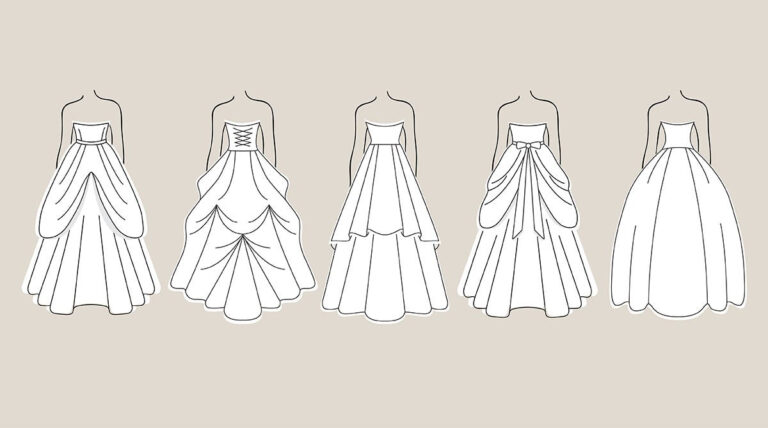
Understanding the importance of a bustle is essential for every bride preparing for her big day. A bustle is an alteration that lifts and secures the train of a gown, allowing for ease of movement during the reception. This transformation not only enhances the gown’s look but also ensures the bride can dance and celebrate without worry.
There are various types of bustles, each serving both functional and aesthetic purposes. The right choice can elevate the visual appeal of the back of the gown, turning it into a stunning focal point. Knowing about these styles early in the alteration process helps brides make informed decisions, reducing stress as the big day approaches.
This guide will explore nine distinct bustle types, from the popular American bustle to the artistic Austrian bustle. It will cover selection criteria, fitting preparation, and costs, providing everything a bride needs to know before her fittings. Professional seamstresses typically handle the initial setup, but understanding the mechanics is crucial for choosing the right style.

What is a Wedding Dress Bustle?
The bustle is an essential feature that transforms a gown, allowing brides to move freely during their special day. This alteration lifts the train of the gown off the floor, fastening it securely to the back. Its purpose is twofold: it prevents tripping hazards and protects the fabric from damage during the reception.
Definition and Purpose of a Bustle
A bustle is a specialized alteration sewn into the back of the gown. After the ceremony, it lifts and secures the train off the floor. This adjustment is crucial for preventing the bride from tripping over her train. It also protects delicate fabric from dirt, tears, and damage throughout the reception.
Functionality: From Ceremony to Reception
The addition of a bustle transforms the look of the wedding dress. It shifts from a formal ceremony silhouette to a reception-ready style. This allows for unrestricted movement on the dance floor, enhancing the overall experience of the big day.
Common Materials and Fastening Techniques Used
Bustles are typically created using a variety of materials and fastening techniques. Common materials include sturdy hooks, discreet buttons, fabric loops, satin ribbons, and adjustable drawstrings. The fastening techniques vary by bustle style. Some use exterior attachment points, while others employ hidden interior ties for a seamless appearance.
Understanding the definition and functionality of a bustle helps brides communicate effectively with their seamstress during fittings. A properly executed bustle preserves the integrity of the gown, keeping the train clean and intact even after hours of celebration.
Below is a summary of key aspects related to bustles:
| Aspect | Description |
|---|---|
| Purpose | Prevents tripping and protects fabric |
| Functionality | Transforms gown for ease of movement |
| Materials | Hooks, buttons, loops, ribbons, drawstrings |
| Final Alteration | Typically added after other adjustments |
Common Types of Wedding Dress Bustles
Understanding the different styles of bustles is crucial for brides to make informed choices. Each type offers unique features that can enhance both the look and functionality of a gown. Below are some of the most popular styles that brides can consider for their special day.
American Bustle (Over Bustle)
The American bustle is the most popular choice among brides. This style lifts the train and secures it to the outside of the gown near the waistline using hooks or buttons. The result is an elegant cascading effect that beautifully complements A-line, ball gown, and mermaid silhouettes. It’s particularly stunning with cathedral trains and allows for easy application by bridesmaids.
French Bustle (Under Bustle)
The French bustle, also known as the under bustle, is the second most-requested style. This technique involves tucking the train underneath the gown and fastening it with internal ties or ribbons. This method provides a seamless and elegant look, making it ideal for mermaid, trumpet, and fit-and-flare silhouettes. It avoids adding visible bulk to the fitted skirt while keeping embellishments at the waist fully visible.
Ballroom Bustle
The ballroom bustle is a transformative option that makes the train completely disappear. Using multiple attachment points, it lifts and tucks the train fully under the gown, giving the illusion of a floor-length dress with no train at all. This style is perfect for ball gowns and full-skirt silhouettes, allowing the bride complete freedom on the dance floor.
Royal Bustle
A dramatic choice, the royal bustle gathers the train at several points, creating stacked, voluminous folds. This vintage-inspired style is best suited for A-line and ball gown silhouettes. It requires a skilled seamstress for proper execution, ensuring the gown maintains its elegance throughout the celebration.
Austrian Bustle
The Austrian bustle is one of the most intricate and artistic options available. It utilizes a drawstring mechanism sewn into the train to create elegant vertical ruffles. This style works beautifully with lightweight fabrics like chiffon or organza, making it perfect for A-line and sheath gowns.
English Bustle (Pick-Up Bustle)
Also known as the pick-up bustle, the English bustle lifts the train and attaches it to the exterior of the dress, creating soft, natural gathers. This style is especially effective for gowns with long trains and a tailored fit through the hips, allowing for a graceful and effortless look.
Sling Bustle
The sling bustle is a chic, asymmetrical option where one side of the train is gathered and secured at the hip. This creates a flowing off-center drape that suits fitted, modern, and editorial bridal styles, particularly with lighter trains.
Wristlet Bustle
A unique approach, the wristlet bustle features a small loop attached to the train that slips around the bride’s wrist. This design gives her full control and independence, making it ideal for simple, lightweight dresses with modest trains, such as silk sheaths.
Bow Bustle
The bow bustle is specifically designed for gowns featuring a statement bow at the back. This style folds the train upward and secures it beneath the bow, ensuring that the decorative detail remains the focal point throughout the reception.
In summary, each type of bustle offers different complexity levels, best silhouettes, and visual effects. Brides should consider their specific gown design, train length, and personal style preferences when selecting the perfect bustle for their big day.

How to Choose the Right Wedding Dress Bustle
Choosing the perfect bustle can significantly impact a bride’s comfort and style on her special day. The right bustle not only enhances the look of the gown but also ensures ease of movement throughout the celebration. Several factors come into play when selecting the best bustle for a gown.
Considering Your Gown Silhouette
The silhouette of the gown is a primary factor in bustle selection. Ball gowns and A-line dresses offer the most flexibility across bustle styles. These shapes can accommodate various options, making them versatile for brides.
Mermaid and trumpet silhouettes, however, require more careful consideration. The French or sling bustle is often the best choice for these styles. These options avoid adding unwanted volume to the hips, maintaining a sleek appearance.
Train Length and Fabric Factors
Train length plays a critical role in determining the appropriate bustle. Longer cathedral and royal trains typically need multiple secure attachment points. Styles like the ballroom, royal, or American bustle are ideal for these gowns.
For shorter chapel or sweep trains, simpler solutions like the English or wristlet bustle are effective. Additionally, the fabric of the gown influences bustle choice. Lightweight materials like chiffon work beautifully with the Austrian drawstring bustle. Heavier fabrics, such as satin or Mikado, require the sturdy support of an American or ballroom approach.
Reception Venue and Activity Plans
The reception venue and planned activities should also guide the bustle decision. For brides planning to dance all night, a secure bustle with multiple points is recommended. Styles like the ballroom or American bustle offer the necessary support for active celebrations.
For outdoor weddings on grass or sand, simpler styles like the wristlet or sling bustle allow the bride to manage her train easily. This flexibility is essential for a comfortable experience during the festivities.
Consulting Your Seamstress
Consulting a professional seamstress early in the alteration process is vital. Their expertise can help identify the most functional and flattering bustle option based on the specific construction of the gown. Brides should also consider where the gown’s most intricate lace, beading, or embroidery is located.
An over bustle keeps waist-level details visible, while an under bustle may hide hemline embellishments. Bringing inspiration photos and a clear understanding of the venue and activities can facilitate a productive discussion about bustle options.
In conclusion, selecting the right bustle is a balance of silhouette compatibility, fabric considerations, and lifestyle needs. This ensures the bride feels confident and comfortable from the first dance to the last.
Preparing for Your Bustle Fitting and Practice Tips
Preparation for bustling a gown is key to ensuring a seamless transition from ceremony to reception. Brides should bring up the bustle at their first alterations appointment, ideally several months before the wedding day. This timing allows the seamstress ample opportunity to sew the bustle properly, giving the bride time to practice.
It’s essential to schedule a dedicated bustling rehearsal with whoever will be assisting on the wedding day, typically the maid of honor. At the final fitting, this person should be present to practice until the process feels natural. A trial run minimizes confusion or mishaps when the time comes.
Brides can also consider recording a short video on their phone during the fitting. This video serves as a reference on the big day, ensuring that the bustling process is clear and straightforward.
When to Discuss Bustles During Alterations
Initiating the bustle conversation early in the alteration timeline prevents rushed work. Discussing the bustle allows it to be integrated seamlessly with other adjustments, like hemming and taking in the bodice.
Practicing Bustling with Your Bridal Party
During the final fitting, it’s crucial to bring the designated helper. This way, the seamstress can provide hands-on instruction and answer questions about locating loops, hooks, and attachment points. Practicing multiple times before the wedding day builds confidence and reduces the likelihood of fumbling under pressure.
Using Video Tutorials and Rehearsals
Video tutorials can be incredibly helpful for visual learners. Recording the seamstress demonstrating the bustle or finding a reputable online tutorial matching the gown’s style can be beneficial. Save the video as a reference for the bustle assistant to review as needed.
Finally, brides should build bustling time into the wedding day timeline. Allocating ten to fifteen minutes between the ceremony and reception for the transition ensures no one feels rushed or stressed. A well-rehearsed bustle routine contributes to the overall ease and enjoyment of the evening.
| Preparation Tip | Description |
|---|---|
| Discuss Early | Bring up the bustle at the first alterations appointment. |
| Schedule Rehearsals | Practice bustling with your bridal party during the final fitting. |
| Record Tutorials | Capture a video of the seamstress demonstrating the bustle process. |
| Allocate Time | Build bustling into the wedding day timeline for a smooth transition. |

Bustle Costs and Alteration Considerations
Understanding the costs associated with bustling is vital for brides as they prepare for their celebration. The expenses can vary significantly based on several factors, including the complexity of the bustle style, the length of the train, and the materials used. This section will provide a comprehensive overview of bustle costs and how to plan for them within a wedding budget.
Price Ranges Based on Bustle Style Complexity
Bustle alterations typically range from $100 to $350. Simpler styles like the American or wristlet bustle usually fall on the lower end, costing between $90 and $150. These styles require fewer attachment points and less intricate work.
Intermediate styles, such as the French, bow, and ballroom bustles, generally range from $150 to $275. These options involve more labor due to hidden ties and multiple attachment points.
For more complex styles like the royal and Austrian bustles, costs can reach $300 to $400 or more. These styles require specialized techniques and multiple points for secure attachment, making them more labor-intensive.
Factors Affecting Bustle Alteration Pricing
Several factors can influence the pricing of bustle alterations. The length of the train is a primary consideration; longer trains typically require more attachment points. Additionally, the weight and layering of the fabric can impact the cost. Heavier fabrics or gowns with intricate embellishments may necessitate extra time and care from the seamstress.
Brides should also consider geographic location. In high cost of living areas like New York City or Los Angeles, prices may be higher than in smaller markets. Furthermore, some seamstresses may charge rush service fees during peak wedding seasons, which can add to the overall cost.
Planning Bustle Expenses in Your Wedding Budget
It’s essential for brides to allocate a specific budget for bustle alterations. A minimum of $150 to $300 should be set aside, depending on the chosen style and gown complexity. Discussing bustle costs during the first alteration appointment is crucial to avoid unexpected expenses that could disrupt the wedding budget.
Investing in a quality bustle alteration is vital for protecting the gown and ensuring the bride enjoys every moment of her big day without worrying about her train.
| Bustle Style | Price Range |
|---|---|
| Basic Styles (American, English, Sling, Wristlet) | $90 – $150 |
| Intermediate Styles (French, Bow, Ballroom) | $150 – $275 |
| Complex Styles (Royal, Austrian) | $300 – $400+ |
Alternatives to Traditional Wedding Dress Bustles
Brides seeking options beyond the traditional bustle have several creative alternatives. These choices can enhance the wedding experience while simplifying movement during the reception. Here are some popular alternatives that brides may consider.
Detachable Trains for Versatility
Detachable trains offer a fantastic solution for brides who want versatility. This option allows the train to be completely removed after the ceremony, eliminating the need for bustling altogether. It creates a distinct second look for the reception, making it ideal for modern, minimalist styles.
These trains typically attach to the gown using discreet hooks, buttons, or loops at the waistline. They can be unfastened in seconds, ensuring a seamless transition from the formal ceremony to the lively dance floor.
Wrist Loops as a Hands-Free Option
Wrist loops provide a stylish and practical hands-free option for brides. A fabric loop sewn into the train slips around the bride’s wrist, allowing her to manage the train without needing assistance from her bridal party. This feature is particularly effective for lightweight fabrics and modest trains.
Wrist loops are perfect for informal weddings or destination events, where independence is key. However, they may not be suitable for heavier fabrics or full skirts, as the bride must hold the train throughout the event.
Minimalist Dress Designs Without Trains
For brides who prioritize ease of movement, choosing a gown without a train is a straightforward alternative. Minimalist designs offer a sleek and elegant look while eliminating the need for any bustle alterations or train management during the reception.
These gowns provide a modern silhouette that appeals to brides seeking a timeless and practical aesthetic. Short wedding dresses, such as mini, tea, or ankle-length styles, can also eliminate the need for a bustle, making them a popular choice.
Each alternative has its pros and cons. Detachable trains provide the drama of a train without the bustle hassle, while wrist loops offer a budget-friendly solution that requires no complex alterations. Some brides even choose a combination approach, opting for a gown with a subtle sweep train paired with a wrist loop for added elegance.
Brides should discuss these alternatives with their seamstress during the initial appointment. This ensures that their gown can accommodate modifications like detachable trains or wrist loops. By exploring these options, brides can simplify their reception experience while still enjoying a beautiful and functional wedding gown.
| Alternative | Description |
|---|---|
| Detachable Trains | Allows removal after the ceremony for a second look, attaches with hooks or buttons. |
| Wrist Loops | Fabric loop around the wrist for hands-free train management, best for lightweight fabrics. |
| Minimalist Designs | Gowns without trains, offering ease of movement and a modern silhouette. |
Conclusion
A bustle plays a crucial role in enhancing a bride’s experience on her special day. The right style not only transforms the back of the gown into a stunning focal point but also allows for ease of movement from the ceremony to the dance floor.
Key takeaways include discussing bustle preferences at the first alterations appointment. This ensures the seamstress has ample time to execute the chosen style flawlessly. Selecting a bustle should be based on four key factors: gown silhouette, train length, fabric weight, and reception plans.
Brides should assign a dedicated bustle helper and schedule practice sessions to ensure a smooth transition on the big day. Additionally, budgeting a minimum of $150 to $300 for alterations is crucial, especially for more complex styles.
Understanding the types of bustles available empowers brides to make informed decisions. This knowledge enhances comfort and confidence, ensuring they enjoy one of the most memorable days of their lives.
FAQ
What is the purpose of a bustle?
A bustle serves to lift the train of a gown, allowing for easier movement during the reception and dancing, ensuring the bride can enjoy her big day without tripping over fabric.
How do I know which bustle style is right for my gown?
The right style depends on the gown’s silhouette, train length, and fabric. Consulting with a seamstress can help determine the best option for your specific dress.
When should I discuss the bustle with my seamstress?
It’s best to discuss the bustle during your fitting appointments, allowing ample time for alterations and adjustments before the wedding day.
Are there any alternatives to traditional bustles?
Yes, alternatives include detachable trains for versatility, wrist loops for hands-free options, and minimalist designs that do not require bustles at all.
What factors influence the cost of bustle alterations?
Costs can vary based on the complexity of the bustle style, the type of fabric, and the amount of time required for alterations. Planning for these expenses is essential.
Can I practice bustling my gown before the wedding?
Absolutely! Practicing with your bridal party and using video tutorials can help everyone feel comfortable with the bustling process on the big day.