
When people begin exploring luxury jewellery, they often encounter two terms used frequently but sometimes interchangeably: fine jewellery and high-end jewellery. While they both represent superior craftsmanship and premium materials compared to costume jewellery, they are not exactly the same thing. Understanding the distinction between the two can help buyers make more informed decisions, particularly when investing in pieces designed to last for generations.
Whether you are shopping for a timeless engagement ring, a meaningful gift, or a statement piece for special occasions, understanding these categories can help you appreciate the value behind expertly crafted collections such as those offered by Grew & Co.
Let’s explore what sets fine jewellery apart from high-end jewellery and why both occupy important places within the world of luxury accessories.
What Is Fine Jewellery?
Fine jewellery refers to jewellery made from precious metals and genuine gemstones, crafted to a high standard of durability and longevity. Unlike fashion jewellery or costume jewellery, which often uses plated metals and synthetic stones, fine jewellery is designed to retain its value and withstand everyday wear.
Key characteristics of fine jewellery
Fine jewellery typically includes the following elements:
- Precious metals such as gold, platinum, or sterling silver
- Natural gemstones like diamonds, sapphires, emeralds, and rubies
- Durable construction designed for long-term wear
- Skilled craftsmanship and careful stone setting
- Pieces that can often be repaired, resized, or passed down
Fine jewellery includes many items people wear daily, such as:
- Engagement rings
- Wedding bands
- Diamond stud earrings
- Gold chains
- Birthstone jewellery
These pieces are often considered investment items, as their materials alone carry inherent value.
What Is High-End Jewellery?
High-end jewellery sits within the fine jewellery category but represents the upper tier of luxury, exclusivity, and craftsmanship. While all high-end jewellery is technically fine jewellery, not all fine jewellery qualifies as high-end.
High-end jewellery focuses heavily on exceptional artistry, rare materials, and brand prestige.
Key characteristics of high-end jewellery
High-end jewellery is typically defined by:
- Extremely rare or high-grade gemstones
- Bespoke or limited-edition designs
- Exceptional craftsmanship and intricate detailing
- Association with prestigious jewellery houses or designers
- Significant price points due to rarity and design complexity
Many high-end pieces are created in small batches or even as one-of-a-kind designs, making them especially desirable among collectors and luxury buyers.
Materials – Quality vs Rarity
Both fine jewellery and high-end jewellery use precious metals and gemstones, but the grade and rarity of these materials often differ.
Fine jewellery materials
Fine jewellery commonly features:
- 9k, 14k, or 18k gold
- Platinum
- Sterling silver
- Natural diamonds and semi-precious stones
The focus is on quality and durability, ensuring the piece lasts and maintains its beauty.
High-end jewellery materials
High-end jewellery often goes further, using:
- Rare coloured diamonds
- Exceptional gemstone clarity and carat weight
- Unusual cuts and custom gemstone sourcing
- Higher-purity metals such as 18k or platinum
In many cases, the gemstones themselves may be museum-grade or investment-grade, significantly increasing the piece’s value.
Craftsmanship and Design
Another major difference lies in the level of artistic complexity.
Fine jewellery craftsmanship
Fine jewellery pieces are carefully designed and manufactured with quality craftsmanship. However, they are often produced in larger quantities, allowing them to remain accessible to a wider audience.
These pieces focus on:
- Elegant, timeless design
- Strong structural integrity
- Consistency in production
High-end jewellery craftsmanship
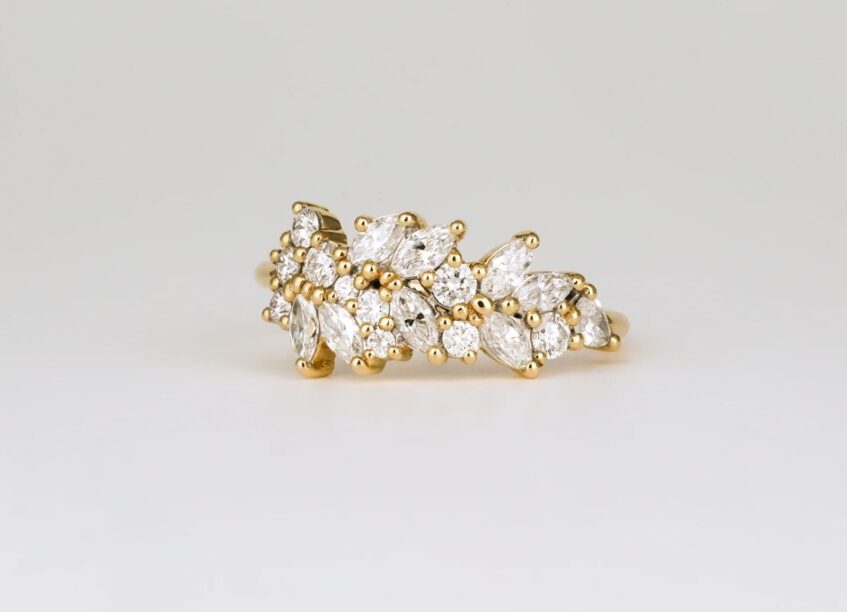
High-end jewellery places a stronger emphasis on artistic expression and detail. Pieces may involve:
- Hand-setting of stones
- Complex metalwork techniques
- Custom designs created for individual clients
- Weeks or months of meticulous production
In some cases, high-end jewellery may be considered wearable art, where design creativity is just as important as material value.
Accessibility and Price
Price is another area where the distinction becomes clear.
Fine jewellery pricing
Fine jewellery offers a wide range of price points, depending on the metal, gemstone type, and brand.
For example:
- Gold necklaces may range from hundreds to several thousand dollars
- Diamond rings can range from a few thousand to tens of thousands
Fine jewellery is often purchased for engagements, anniversaries, birthdays, and milestone events.
High-end jewellery pricing
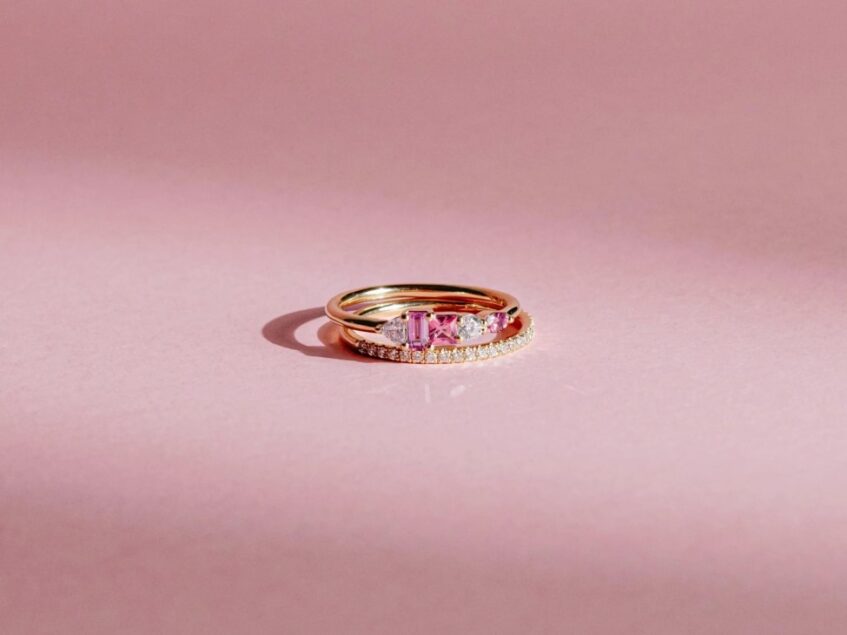
High-end jewellery typically sits at the very top of the luxury market, with prices reflecting rarity, brand prestige, and craftsmanship.
These pieces may cost:
- Tens of thousands of dollars
- Hundreds of thousands of dollars
- Occasionally even millions for exceptional designs
High-end jewellery is frequently purchased by collectors or as significant luxury investments.
Everyday Wear vs Statement Pieces
Another difference lies in how these pieces are typically worn.
Fine jewellery for everyday luxury
Fine jewellery is often designed to be worn regularly. Simple diamond studs, delicate gold chains, and elegant rings can elevate everyday outfits while remaining practical and durable.
Because of this, fine jewellery often focuses on timeless versatility.
High-end jewellery for special occasions
High-end jewellery, on the other hand, often serves as a statement piece. These items may feature dramatic gemstone arrangements, bold designs, or intricate settings intended to capture attention.
They are frequently worn at:
- Formal events
- Gala occasions
- Weddings or red-carpet gatherings
While they are durable, their value and complexity mean they are typically reserved for special moments.
Collectability and Investment Value
Both categories can hold value, but high-end jewellery tends to carry greater collectability.
Fine jewellery holds value primarily through:
- Precious metal weight
- Gemstone quality
- Brand reputation
High-end jewellery may appreciate due to:
- Limited availability
- Historical significance
- Designer or brand prestige
- Exceptional gemstones
Some collectors specifically seek high-end jewellery as long-term investment pieces.
Why the Distinction Matters
Understanding the difference between fine jewellery and high-end jewellery helps buyers align their purchase with their goals.
If you want something durable, beautiful, and suitable for everyday wear, fine jewellery is often the perfect choice.
If you are seeking rare artistry, exclusivity, and luxury prestige, high-end jewellery may be the more appropriate category.
Both represent craftsmanship and beauty at the highest levels of the jewellery world.
Choosing the Right Piece for You
Ultimately, the best jewellery is the piece that resonates personally with the wearer. Whether it’s a timeless gold necklace worn daily or a spectacular gemstone piece reserved for special occasions, jewellery has the power to mark life’s most meaningful moments.
By understanding the distinction between fine jewellery and high-end jewellery, buyers can better appreciate the artistry, materials, and craftsmanship behind each piece — and choose jewellery that truly reflects their style, values, and story.