
Planning the perfect day starts with a well-organized timeline. A thoughtful morning schedule acts as the backbone for the entire event. It ensures that hair, makeup, and photography all flow seamlessly, reducing stress and confusion.
Couples who take the time to craft a detailed timeline often find that their day unfolds more smoothly. Everyone involved—from vendors to family members—knows where they need to be and when. This clarity helps set a calm emotional tone for the big day.
This guide will explore every critical component of the morning routine. From the arrival of vendors to the timing of hair and makeup, each aspect plays a vital role. Readers will discover strategies to avoid common pitfalls like overcrowded spaces and last-minute scrambles for essentials.
Whether the ceremony starts at 10 a.m. or 6 p.m., the principles in this guide can be adapted to fit any structure. By the end, couples will understand how to build a personalized morning timeline that reflects their unique priorities.

Understanding the Importance of a Wedding Morning Schedule
A thoughtfully crafted timeline is essential for a successful wedding day. It not only keeps events on track but also creates a sense of calm and confidence for the couple. When everything is planned out, it allows for a more enjoyable experience as they move from one moment to the next.
By having a clear day timeline, couples can fully engage in emotional moments like the first look and interactions with family and friends. This presence can lead to genuine smiles and relaxed shoulders, making the day even more memorable.
Why a Well-Planned Morning Sets the Tone for the Wedding Day
A well-structured morning does more than just keep the day organized. It lays a psychological foundation that supports the couple throughout the ceremony and into the reception. With a plan in place, they can focus on what truly matters instead of worrying about the next steps.
Common Challenges and How a Schedule Helps Avoid Them
Without a structured morning plan, several challenges can arise. Hair and makeup might run late, causing stress for everyone involved. Photographers may struggle to capture essential detail shots if items aren’t ready. This disorganization can leave the couple feeling frazzled before the ceremony even begins.
A well-thought-out schedule prevents the domino effect of delays. One late vendor can push everything back, cutting into precious portrait time and potentially delaying the ceremony. Professionals in the industry stress that the morning hours deserve as much attention as the reception to ensure a smooth flow.
Couples should also remember that hair and makeup often take longer than anticipated. By building realistic time buffers into their timeline, they can avoid the stress of watching the clock during what should be a joyful getting-ready experience.
Finally, the wedding day timeline serves as a vital communication tool. It aligns the couple, wedding party, family members, and vendors around a shared understanding of the morning’s flow and expectations.
Vendor Arrival and Early Wedding Day Setup
The day of the event begins with the arrival of key vendors at the venue. This critical window sets the logistical stage for every service and activity that follows throughout the day. Having vendors arrive early helps to ensure a smooth flow and minimizes potential delays.
A venue coordinator or day-of coordinator typically arrives first. Their role is to oversee access, allowing the hair and makeup team, florist, photographer, and catering staff to load in efficiently. This prevents congestion or confusion at the loading dock or service entrance.
Coordination walkthroughs during this early period are essential. The couple’s planner or coordinator verifies that ceremony chairs are arranged correctly, the sound system functions properly, and any special setup requests have been executed before the wedding party arrives.
Venue Opening and Vendor Access
Vendor load-in timing should be staggered in the wedding day timeline. This allows the makeup team to set up their stations while the florist delivers personal flowers. Meanwhile, the photographer can scout ideal locations for portraits without anyone working in the same tight space simultaneously.
Coordination Walkthroughs and Load-In Timing
Early venue access provides a buffer of hours that absorbs unexpected issues. These may include traffic delays, missing equipment, or last-minute layout adjustments. This ensures that the couple’s getting-ready experience or the ceremony start time is not impacted.
Couples who book a venue with an included coordinator or hire an independent day-of coordinator gain a significant advantage. Having a professional manage this early setup phase allows them to focus entirely on their morning preparations.
The wedding day runs more smoothly when vendors have dedicated time to complete their setup before the wedding party arrives. This prevents awkward overlaps, such as steaming attire while a makeup artist tries to work in the same room.
Clear communication about venue opening times, access points, and load-in procedures should be distributed to all vendors at least one week before the event. This ensures everyone arrives prepared and on schedule.
| Vendor Type | Arrival Time | Key Responsibilities |
|---|---|---|
| Coordinator | First | Oversee access and setup |
| Hair and Makeup Team | Shortly after | Setup stations and begin services |
| Florist | Staggered | Deliver personal flowers |
| Photographer | Staggered | Scout locations for portraits |
| Catering Staff | Last | Setup food and drink stations |
Scheduling Hair and Makeup Services
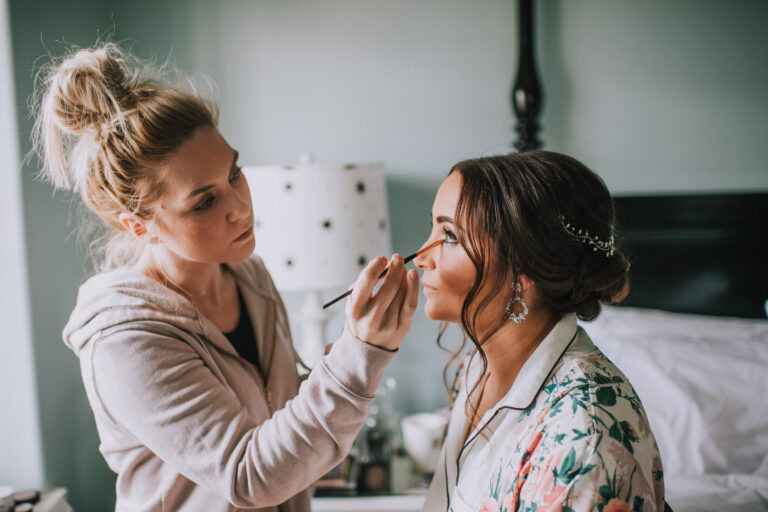
To ensure a smooth experience, hair and makeup services must be strategically planned. These services typically begin with the wedding party and finish with the couple. This staggered approach allows for individual attention and touch-ups, while also accommodating any delays that may arise.
On average, couples should allocate between two to six hours for getting ready. This time frame depends on the size of the bridal party and the availability of the hair and makeup team. A professional team often provides a detailed timeline, estimating around 45 minutes for each service per person.
Timing Hair and Makeup for the Wedding Party and Couple
It’s essential to assign specific time slots for each member of the wedding party. Typically, the schedule starts with bridesmaids or attendants, leaving the couple for the final appointments. This ensures they look their best for portraits and the ceremony.
Allowing Extra Time for Delays and Touch-Ups
Planning for delays is crucial. A zipper that sticks or a curl that won’t hold can lead to significant lateness. Couples should build at least 30 minutes of buffer time into their hair and makeup block. Many coordinators recommend padding the entire getting-ready window by an hour to handle the unexpected.
Tips for a Calm and Unrushed Morning
Creating a serene atmosphere during the getting-ready process can greatly enhance the experience. Here are some tips:
- Provide breakfast and hydration options in the getting-ready suite.
- Play a curated playlist to set a relaxed mood.
- Designate one person to handle vendor questions, allowing the couple to remain undisturbed.
Finally, scheduling hair and makeup services toward the end of the window ensures the couple is camera-ready as the photographer arrives. This thoughtful approach contributes to a positive, joyful atmosphere, reflected in the candid getting-ready photos throughout the day.
Photography Preparations: Capturing Details and Flat Lays
Capturing the essence of the day begins with thoughtful photography preparations. As the wedding party gets ready, the photographer arrives to document the special moments. This includes taking detail shots of attire, rings, stationery, and personal items. Proper planning ensures that these details are beautifully captured while hair and makeup services are ongoing.
To avoid any last-minute scrambles, couples should prepare key items in advance. This allows the photographer to efficiently capture stunning flat lays and details without disrupting the getting-ready process.
Key Items to Prepare in Advance
- Full invitation suite with envelopes
- Wedding bands and engagement ring
- Couple’s shoes
- Heirloom jewelry
- Vow books
- Perfume bottles
- Sentimental tokens that tell the story of the relationship
Gathering these items into a single box or bag the night before is highly recommended. Designating a trusted person, such as a maid of honor or coordinator, to hand them directly to the photographer upon arrival ensures nothing is forgotten or misplaced.
Maximizing Photographer Efficiency During Hair and Makeup
Maximizing photographer efficiency means having the getting-ready suite tidy and well-lit. Couples should ensure that the attire is hanging in a clean, uncluttered area ready for detail shots. A well-organized space allows the photographer to capture beautiful moments without interruptions.
During this time, the photographer can also document candid moments of the wedding party. Laughter, toasts with mimosas, and emotional reactions create a rich visual narrative of the day. These images often become cherished memories, preserving the small, intentional elements that the couple spent months selecting.
Flat lays require a clean surface and good natural light. Couples should scout the getting-ready location in advance to find a spot near a large window or in a room with soft, even illumination. This planning helps the photographer style and shoot the details effectively.
Having all items prepared in advance prevents the disruption of pulling the couple or wedding party members away from their hair and makeup chairs. This keeps the morning schedule on track and stress-free, allowing everyone to enjoy the process.

| Item | Purpose | Preparation Tips |
|---|---|---|
| Invitation Suite | Detail shots | Include envelopes and arrange neatly |
| Wedding Bands | Symbol of commitment | Keep in a designated box |
| Shoes | Completes the look | Ensure they are clean and polished |
| Heirloom Jewelry | Adds personal touch | Have ready for easy access |
| Vow Books | Document vows | Keep in a visible location |
Getting Dressed and Meaningful Pre-Ceremony Moments
The moment a couple transitions into their wedding attire is one of the most emotional parts of the day. This pivotal phase signifies the shift from preparation to the reality of their commitment. With the right approach, this moment can be both serene and memorable.
During this time, hair and makeup services should be wrapping up with final touch-ups. Attire will be steamed, bouquets will arrive, and personal items will be placed in the getting-ready suite. The bride or couple will then get dressed, assisted by a small, trusted group of attendants. This intimate setting often leads to some of the most cherished photos of the day.
Assisting the Bride or Couple with Dressing
Limiting the number of people in the room during dressing is crucial. Typically, this small group consists of the mother of the bride, maid of honor, or a sibling. Too many people can create visual clutter and increase noise levels, diluting the intimacy of the moment.
The photographer should be strategically positioned to capture genuine reactions as the couple sees themselves fully dressed for the first time. Moments like fastening buttons, placing a veil, or sharing quiet words with family members are all significant.
Managing the Number of People and Distractions
Setting clear expectations about who will be present during the dressing process is essential. Other members of the bridal party should be asked to wait in an adjacent space until the couple is ready for reveals. This approach helps maintain a calm atmosphere, allowing the couple to focus on the significance of the moment.
Final touch-ups to hair and makeup should be completed just before dressing. A steamer should be on hand to remove any wrinkles that may have appeared while the attire was hanging or during transport to the venue. This ensures the couple looks pristine for their special day.
Additionally, the arrival of personal flowers, such as bouquets and boutonnieres, should be timed to coincide with the dressing. This allows for their incorporation into portraits immediately after the couple is dressed.
The minutes spent getting dressed often yield some of the most cherished photos of the entire day. They capture anticipation, careful attention to detail, and the profound emotional weight of the final moments before the ceremony.
Couples who prioritize a calm dressing experience often choose to have soft music playing, phones put away, and only essential helpers present. This creates a serene atmosphere that allows the significance of the moment to fully resonate.
Wedding Party and Couple Portrait Sessions
Capturing the joy and excitement of the day involves thoughtful planning for portrait sessions. Scheduling these portraits before the ceremony is a smart move that can significantly ease the timeline pressure later on. By getting these done early, couples can truly enjoy their cocktail hour without the burden of endless group photos.
Scheduling Portraits to Ease Later Timeline Pressure
When the wedding party gathers for portraits before the ceremony, it allows for a more relaxed atmosphere. This proactive approach means that after the ceremony, the couple can focus on spending time with guests instead of posing for pictures. Couples often find that the list of post-ceremony photos shrinks considerably, requiring only a few family groupings and some romantic shots during golden hour.
Choosing Ideal Locations for Photos
Selecting the right locations for portraits is crucial. Couples should scout the venue with their photographer to identify spots that offer beautiful backdrops and even lighting. Ideal locations might include shaded gardens, grand staircases, or spacious indoor areas with large windows. These settings not only enhance the aesthetic but also allow the photographer to work efficiently without harsh shadows.
During the portrait session, the photographer captures a mix of posed and candid shots, showcasing the genuine energy of the wedding party. This session also serves as a valuable buffer in the wedding day timeline, allowing the ceremony space to undergo final preparations while guests arrive.
Completing portraits before the ceremony start time means that the couple can transition directly into the cocktail hour or enjoy a private moment together. This seamless flow helps maintain the day’s joyful atmosphere.
| Portrait Type | Timing | Location Suggestions |
|---|---|---|
| Wedding Party Portraits | Before Ceremony | Shaded Garden, Grand Staircase, Indoor Space |
| Couple Portraits | After Ceremony | Sunset Location, Scenic Overlook |
| Family Group Photos | After Ceremony | Designated Area at Venue |
First Look and Private Couple Moments Before the Ceremony
The first look is a cherished moment that sets the tone for the rest of the day. This intimate experience allows couples to see each other privately before the ceremony. In this setting, they can express their emotions freely, away from the eyes of their guests.
A calm and unhurried first look offers several benefits. It not only creates a space for genuine emotional reactions but also serves as a practical anchor in the wedding day timeline. By taking this time, couples can reduce stress and enjoy their day more fully.
Benefits of a Calm and Unhurried First Look
- A first look provides a rare opportunity for the couple to connect privately, allowing for unfiltered emotional responses.
- This moment helps to ease the overall stress of the day, freeing up time for cocktail hour after the ceremony.
- With hair and makeup still fresh, the couple can take beautiful portraits that reflect their authentic emotions.
- Couples often find that this moment becomes one of the most meaningful parts of their wedding day.
Capturing Genuine Reactions and Intimate Portraits
To capture genuine reactions, the photographer should position themselves discreetly. Using a long lens allows them to document the moment without intruding. The couple can experience their first look in a setting chosen for its beauty and privacy.
It’s essential to scout the first look location in advance. A quiet garden path or a secluded courtyard can provide the perfect backdrop. After the first look, the couple can seamlessly transition into their portrait session, taking advantage of the emotional high.
By planning this moment thoughtfully, couples can create authentic, romantic images that feel deeply personal. These portraits will serve as cherished memories of their special day.
Organizing Family and Group Photos
Coordinating family and group photos is a crucial aspect of the wedding day. This part of the timeline often presents logistical challenges. It requires managing multiple generations, varying mobility levels, and numerous combinations of people in a limited timeframe.
Creating a detailed family photo list in advance is the most effective strategy for avoiding delays. This list should specify every grouping by name, such as “couple with bride’s parents and siblings” and “couple with both sets of grandparents.” This clarity allows the photographer to call out groups efficiently.
Sharing the family photo list with the photographer, coordinator, and a designated family member ensures everyone is on the same page. This person can help round up the next group while the current one is being photographed, creating an assembly-line efficiency.
Creating a Family Photo List to Avoid Delays
- Organizing family and group photos is often the most logistically complex portion of the timeline.
- A detailed family photo list prevents confusion and ensures no crucial combinations are missed.
- This list should include all essential groupings, making it easy for the photographer to manage.
Strategies for Efficient Group Photography
Strategies for efficient group photography include starting with the largest groupings first. This approach allows elderly grandparents and young children to be released early, minimizing wait times for everyone involved.
The wedding party and bridal party should be briefed in advance about where and when to report for group photos. A coordinator or planner can help ensure that everyone is present and accounted for at the designated time.
Family photos typically take place immediately after the ceremony or, in a first-look timeline, during the pre-ceremony window. Couples should budget approximately three to five minutes per grouping, depending on the size and complexity of the family.
A well-organized family photo session prevents frustration and ensures that the reception can begin on schedule. This way, the couple won’t be pulled away from their guests for additional photography later.
| Photo Grouping | Time Required | Notes |
|---|---|---|
| Couple with Bride’s Parents | 3-5 minutes | Start with larger groups first |
| Couple with Groom’s Parents | 3-5 minutes | Ensure all parents are present |
| Couple with Siblings | 3-5 minutes | Consider mobility levels |
| Couple with Grandparents | 3-5 minutes | Release elderly family members early |
| Wedding Party Photos | 5-10 minutes | Brief wedding party on timing |

Buffer Time and Final Vendor Preparations Before Ceremony
The final moments before the ceremony are crucial for ensuring a smooth transition into the celebration. This buffer time is not wasted time; it is strategic padding in the wedding day timeline. It absorbs the cumulative effect of small delays throughout the morning. This prevents a cascade of lateness that could push the ceremony start, cocktail hour, and reception off schedule.
During this buffer window, the couple should retreat to a private room. Here, they can rest, hydrate, and reset emotionally and physically. Enjoying a light snack and a few quiet minutes together is essential before stepping into the ceremony and the public-facing portion of the day.
Rest, Hydration, and Reset for the Couple
Taking time to recharge is vital. It allows the couple to enter the ceremony feeling refreshed and calm. This moment can significantly impact their overall experience, helping them to be more present during the ceremony.
Vendor Final Setup and Sound Checks
Vendors use this time to finalize ceremony setup. They will place florals along the aisle, conduct sound checks for microphones and musicians, and adjust lighting. Ensuring that every detail, from the programs to the unity candle, is in its proper place is critical for a successful event.
The Importance of a Buffer to Prevent Delay Cascades
The importance of a buffer cannot be overstated. Without at least 30 to 45 minutes of padding before the ceremony, a 10-minute delay in hair and makeup can snowball into a 30-minute delay in the ceremony start time. This window also allows the venue team to transition from the getting-ready phase to guest arrival mode. They can open doors, set up the welcome table, and ensure that ushers are in place to guide early arrivals to their seats.
Couples who prioritize buffer time in their wedding day timeline consistently report feeling calmer and more present during the ceremony. They have had a moment to breathe, rather than being rushed directly from portraits to the altar with no transition. The end of this buffer period marks the official shift from preparation to celebration. Guests begin arriving, music fills the ceremony space, and the day moves into its next beautiful chapter.
Sample Wedding Morning Schedules Based on Ceremony Start Times
Establishing a clear plan for the day is crucial for a successful event. Below are sample timelines based on different ceremony start times. Each example provides a structured approach to ensure a smooth flow of activities, allowing couples to enjoy their special day.
10 a.m. Ceremony Timeline
This timeline requires the earliest start for hair and makeup. The wedding party should arrive as early as 6 a.m. to begin services. The rewards include a bright, airy daytime celebration with a brunch-style reception featuring mimosas, pastries, and coffee.
| Time | Activity |
|---|---|
| 8:00 am | Getting Ready Portraits |
| 9:00 am | Formal Portraits |
| 10:00 am | Ceremony |
| 10:30 am | Cocktail Hour |
| 11:30 am | Reception |
| 3:00 pm | Couple’s Exit |
12 p.m. Ceremony Timeline
This start time strikes a comfortable balance. The wedding party begins getting ready around 8 a.m. The midday reception offers light fare like salads, sandwiches, or a grazing table, perfect for a more low-key celebration.
| Time | Activity |
|---|---|
| 10:00 am | Getting Ready Portraits |
| 11:00 am | Formal Portraits |
| 12:00 pm | Ceremony |
| 12:30 pm | Cocktail Hour |
| 1:30 pm | Reception |
| 4:00 pm | Couple’s Exit |
2 p.m. Ceremony Timeline
This timeline provides flexibility. Getting-ready portraits begin around 11 a.m. A traditional dinner reception fits naturally into the evening, with potential for golden hour photos during cocktail hour.
| Time | Activity |
|---|---|
| 11:00 am | Getting Ready Portraits |
| 12:00 pm | Formal Portraits |
| 2:00 pm | Ceremony |
| 2:30 pm | Cocktail Hour |
| 3:30 pm | Reception |
| 7:30 pm | Couple’s Exit |
4 p.m. Ceremony Timeline
This is a popular choice for modern couples. It allows a relaxed morning, with getting-ready starting around 12:30 p.m. The evening reception flows seamlessly into dinner and dancing, leaving plenty of night for an after-party.
| Time | Activity |
|---|---|
| 12:30 pm | Getting Ready Portraits |
| 2:00 pm | Formal Portraits |
| 4:00 pm | Ceremony |
| 4:30 pm | Cocktail Hour |
| 5:30 pm | Reception |
| 10:00 pm | Couple’s Exit |
6 p.m. Ceremony Timeline
This creates an elegant, evening-focused atmosphere. Getting-ready portraits can begin as late as 4:15 p.m. A shorter cocktail hour leads to a lively dinner reception that runs past midnight, making late-night snacks essential.
| Time | Activity |
|---|---|
| 4:15 pm | Getting Ready Portraits |
| 6:00 pm | Formal Portraits |
| 6:40 pm | Ceremony |
| 4:30 pm | Cocktail Hour |
| 8:00 pm | Reception |
| 12:00 am | Couple’s Exit |
Bonus Tips for Getting Ready and Reception Timing
- Set aside between two and six hours to get ready, depending on the size of the bridal party.
- Limit speeches to no longer than ten minutes each, allowing five additional minutes for special dances.
- Guests typically spend about an hour enjoying their meal before toasts and open dancing begin.
- Each sample timeline can be customized based on the specific venue and vendor team.
- Communicate early start times clearly to all vendors and guests for morning or midday events.
- Consider the energy levels of the wedding party and build in rest breaks throughout the day for evening affairs.
Conclusion
Creating a detailed timeline for the day ensures that every moment unfolds beautifully. Couples don’t have to navigate this process alone. Tools like The Knot’s wedding day timeline template can provide a helpful starting point.
For those working with a coordinator, they will craft a personalized timeline tailored to the venue and priorities. This professional guidance allows couples to focus on enjoying each moment without getting lost in logistics.
- A well-structured timeline transforms potential chaos into a joyful flow of meaningful moments.
- Investing time in planning helps couples feel present and relaxed, enhancing their experience.
- The principles outlined here, such as clear communication and realistic time buffers, apply universally.
- Using trusted planning tools can help couples create a schedule that reflects their unique vision.
- Every celebration is different, so adapt these recommendations to fit individual needs.
- Ultimately, what couples remember most is the feeling of connection and joy throughout the day.
- A well-executed timeline is a gift of calm, allowing couples to step into their celebration fully prepared.
FAQ
What is the ideal start time for getting ready on the wedding day?
The ideal start time varies based on the ceremony start time, but typically, couples should begin preparations at least 4-6 hours prior to the ceremony to allow ample time for hair, makeup, and photos.
How can a schedule help manage potential delays?
A well-structured timeline allows for extra time between tasks, helping to mitigate the impact of any unforeseen delays, ensuring a smoother experience on the big day.
What should be included in the family photo list?
The family photo list should include specific groupings, such as immediate family, grandparents, and any special friends, to streamline the photography process and minimize delays.
How can couples ensure they have enough time for portraits?
Couples should schedule portrait sessions early in the day and allocate sufficient time for both individual and group shots, ideally before the ceremony to ease the timeline pressure later.
What are some tips for a calm and relaxed morning?
To maintain a calm atmosphere, couples can designate a trusted person to manage the schedule, keep the space organized, and ensure everyone is aware of their roles and timings.
Why is a first look beneficial?
A first look provides a private moment for the couple to connect before the ceremony, allowing for genuine reactions and creating intimate portraits without the time constraints of the event.
How should vendors coordinate their arrival?
Vendors should arrive according to the timeline set by the couple or coordinator, ensuring they have enough time for setup and any necessary walkthroughs of the venue.
What items should be prepared in advance for photography?
Key items include the wedding dress, rings, bouquet, and any personal mementos that can enhance detail shots and flat lays during the photography session.
How can couples manage distractions while getting dressed?
Couples can limit the number of people in the dressing area and communicate their preferences for privacy to create a focused and distraction-free environment.
What is the importance of buffer time before the ceremony?
Buffer time is crucial as it allows for rest, hydration, and any last-minute adjustments, helping to prevent cascading delays that could affect the ceremony start time.