
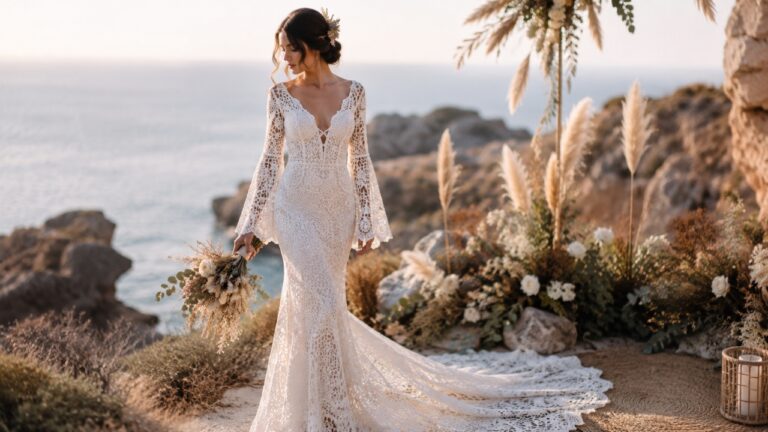
Crochet wedding dresses are back in 2026 because brides want gowns with visible craft, texture, personality, and a softer alternative to polished satin or heavily structured bridalwear.
A crochet bridal dress can feel vintage, coastal, bohemian, romantic, or couture, depending on yarn, lining, silhouette, and stitch pattern.
Vogue recently called crochet one of 2026’s most romantic bridal trends, noting its presence across 2026 and 2027 bridal collections, including New York Bridal Fashion Week and Barcelona Bridal Fashion Week.
For brides, the appeal is practical as well as emotional. Crochet can work for beach weddings, garden ceremonies, courthouse looks, rehearsal dinners, and second dresses. It photographs with depth, carries a handmade story, and offers more individuality than many mass-produced gowns.
Why Crochet Bridal Fashion Feels Right for 2026
Crochet fits because weddings are becoming more personal, less formulaic, and more focused on texture, meaning, and wearability.
The Knot Worldwide’s 2026 Real Weddings Study reported that Gen Z represents 41% of the surveyed wedding market, with celebrations shifting toward authenticity, intention, and personal expression through modern wedding planning.
That shift matters. Crochet has a human fingerprint. A handmade bodice, scalloped hem, bell sleeve, floral motif, or openwork panel signals time and care. Even machine-made crochet-style pieces borrow from that handmade language.
Bridal fashion also keeps moving beyond the single princess gown model. Brides now compare ceremony dresses, after-party outfits, courthouse looks, elopement dresses, and destination wedding wardrobes. Crochet fits that wider wardrobe because it can feel bridal without looking overly formal.
Crochet Wedding Dress In a Nutshell
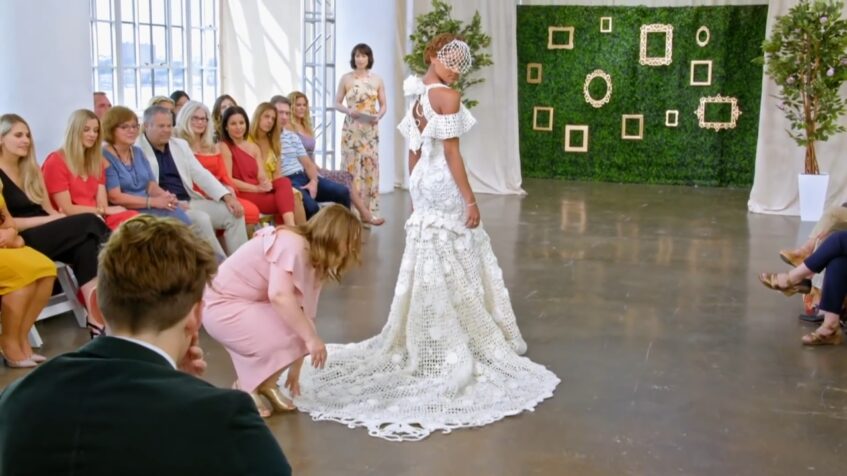
A crochet wedding dress is a bridal garment made with interlocking loops of yarn or thread, usually created by hand with a crochet hook or produced with crochet-inspired textile techniques. The look can range from fine lace-like cotton to chunkier openwork patterns.
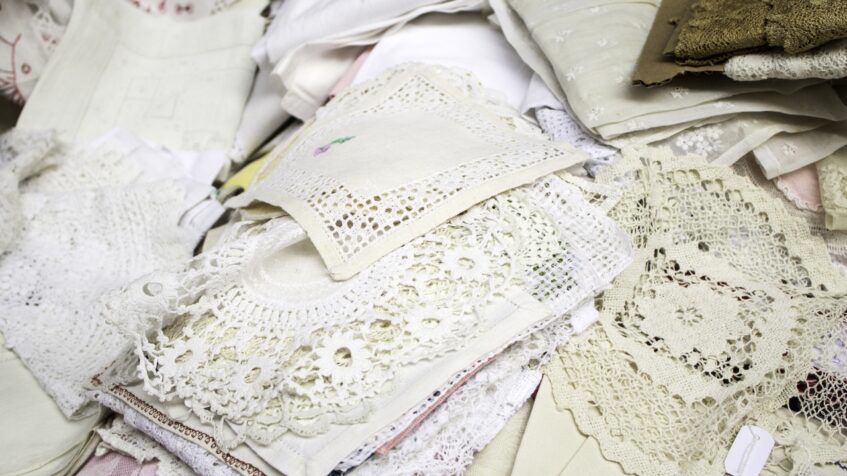
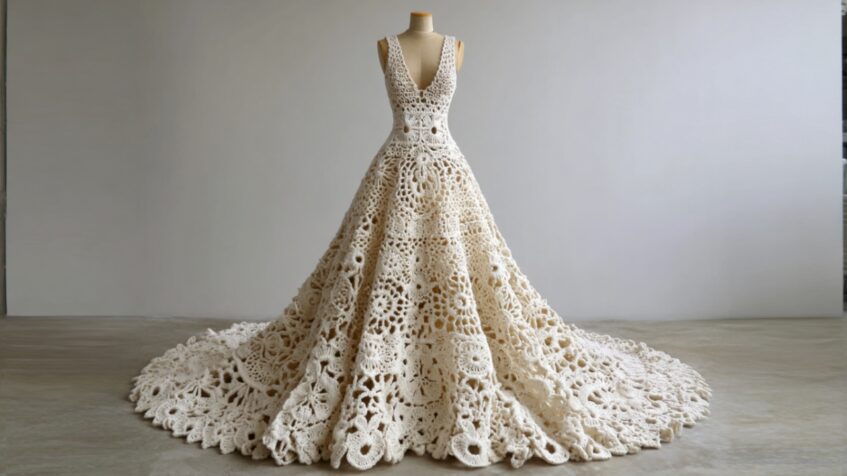
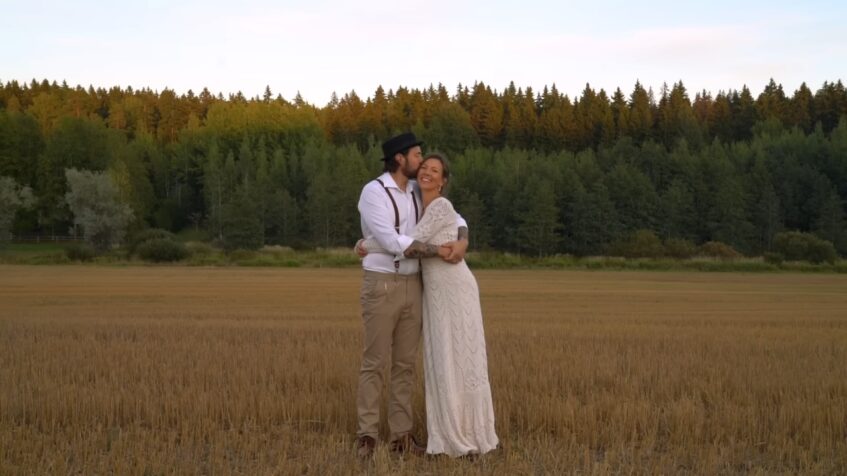
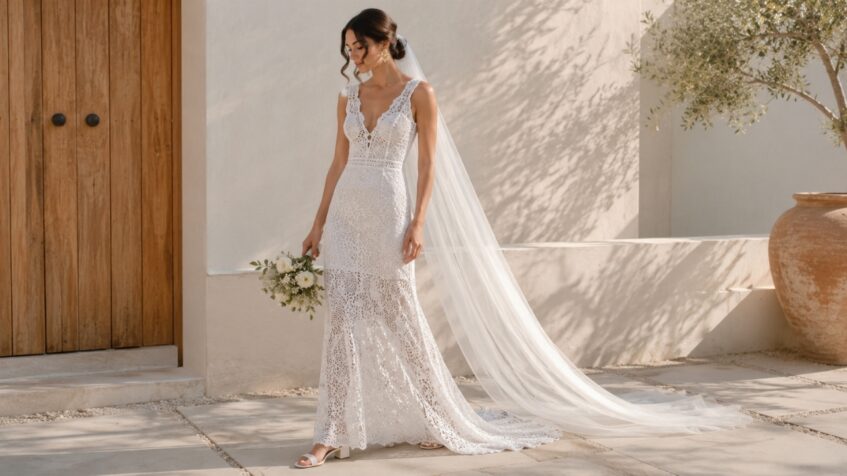
Etsy’s marketplace for crochet wedding dress listings shows demand across boho gowns, off-the-shoulder designs, customizable pieces, vintage patterns, and modern festival-style bridalwear. Crochet and lace often overlap visually, but they are not the same. Crochet usually has a more tactile, looped, handmade texture, while lace can be woven, embroidered, knitted, or machine-produced. A crochet gown usually suits brides who want a relaxed but memorable look. Lace often suits brides who want tradition with softer detail. A hybrid gown, such as crochet trim over a lined crepe base, can offer both. Brides are choosing handmade again because a dress with craft feels harder to duplicate. Many couples are already spending carefully while still protecting the emotional parts of the wedding. Zola’s wedding dress cost guide places typical wedding dresses at $1,500 to $2,500, with an average of $2,250, and notes that hand-applied details, luxury fabrics, and labor raise prices in wedding dress cost estimates. Crochet makes labor visible. A bride can look at a sleeve or bodice and see the pattern, spacing, and handwork. That matters in a wedding market filled with similar silhouettes. There is also a family history angle. Some brides use heirloom crochet, commission a maker, or wear a dress inspired by vintage patterns. Others choose a crochet overlay because it can be preserved, restyled, or worn again with a slip dress after the wedding. Crochet wedding dresses work best when the venue matches the fabric’s relaxed texture. The wrong setting can make crochet feel too casual, but the right styling can make it look expensive. Crochet is one of the strongest options for beach weddings because openwork texture pairs naturally with sand, sun, bare shoulders, and softer styling. Cotton crochet also feels less stiff than heavy satin. Crochet works beautifully in garden weddings because floral motifs and scalloped edges echo the setting without needing heavy embellishment. A long-sleeve crochet dress can also feel seasonal for late spring or early autumn. A short crochet dress, midi column, or two-piece set can work well for courthouse weddings. The key is restraint. Clean hair, pearl earrings, a structured mini bag, and simple shoes keep the look bridal rather than festival-like. A full crochet gown may feel bold for some brides, but a crochet mini or midi can be ideal for a rehearsal dinner, welcome party, or reception change. In its 2026 trend coverage, Vogue also noted that many crochet bridal-style dresses can work beyond the ceremony, including summer events. A crochet wedding dress needs closer inspection than a standard satin gown because stretch, lining, weight, and transparency can change the full look. The lining decides how bridal the dress feels. White crochet over a nude lining creates contrast and highlights the stitch pattern. White over white feels cleaner and more traditional. Ivory over champagne can feel vintage. Ask for photos in natural light. Studio lighting can hide sheerness. Cotton is breathable and has a natural bridal feel, but it can stretch with weight. Synthetic blends may hold shape better, but cheaper blends can look shiny. Fine thread crochet feels more like lace, while chunky yarn looks more casual. A floor-length crochet gown can become heavy, especially with dense stitch patterns. Weight matters for destination weddings, summer ceremonies, and long receptions. Crochet can be harder to alter than woven fabric. Taking in a side seam, changing a sleeve, or shortening a scalloped hem may require a specialist. A local tailor who works mainly on satin gowns may not be the right person. Crochet wedding dress pricing varies widely because some pieces are patterns, some are ready-made dresses, and some are custom-made gowns. A digital pattern may cost only a few dollars, while a finished handmade dress can move into standard bridal pricing or higher, depending on labor hours. A safe ordering window is 6 to 9 months before the wedding for custom work. For international orders, add more time for shipping, customs, and possible corrections. A crochet wedding dress may not suit brides who want a very structured ball gown, a sharply corseted silhouette, or a mirror-smooth fabric finish. It may also be risky for formal winter weddings unless paired with strong styling, a heavier lining, or a tailored coat. Avoid crochet if you dislike texture, want a perfectly uniform surface, or plan to wear heavy jewelry that could snag. Brides who need extensive alterations should also be cautious unless the maker builds the dress around exact measurements. The best styling keeps the crochet as the main visual detail. Too many accessories can make the look busy. Good pairings include pearl studs, sculptural gold earrings, low block heels, satin sandals, a clean veil, or a simple bouquet. For colder settings, a cashmere wrap, tailored coat, or cropped cardigan can make crochet feel intentional rather than seasonal by accident. Hair should match the venue. Loose waves work for beach weddings, while a sleek bun can make crochet feel more modern. Makeup usually looks best when fresh and polished rather than heavy. Crochet wedding dresses are back because they answer a clear bridal need: personal style with craft, texture, and emotional value. They work especially well for outdoor weddings, beach ceremonies, elopements, rehearsal dinners, and brides who want a gown that feels handmade without looking old-fashioned. The smartest choice is not simply to crochet or not to crochet. It is the right yarn, lining, silhouette, maker, alteration plan, and venue. When those details align, a crochet wedding dress can feel current, deeply personal, and memorable long after the wedding photos are delivered.
Crochet Wedding Dress Vs Lace Wedding Dress
Feature
Crochet Wedding Dress
Lace Wedding Dress
Texture
Looped, raised, often more tactile
Fine, flat, sheer, or embroidered
Style Signal
Handmade, boho, vintage, coastal
Classic, romantic, formal, traditional
Best Venues
Beach, garden, elopement, rustic, summer
Church, ballroom, estate, classic venues
Structure
Often softer and more relaxed
Can be soft or highly structured
Fit Concerns
Stretch, transparency, weight
Snags, delicate appliqué, and alteration cost
Why Brides Are Choosing Handmade Again
Best Wedding Settings For Crochet Dresses
Beach Weddings
Garden and Outdoor Weddings
Courthouse and Elopement Looks
Rehearsal Dinner or Second Dress
What to Check Before Buying a Crochet Wedding Dress
Check the Lining First
Look at Yarn Content
Ask About Weight
Plan Alterations Early
Cost, Custom Orders, And Timing
Who Should Avoid a Crochet Wedding Dress?
How to Style a Crochet Wedding Dress In 2026
FAQs
Final Words